
Veterinary Expenses vs Pet Dental Insurance
— 6 min read
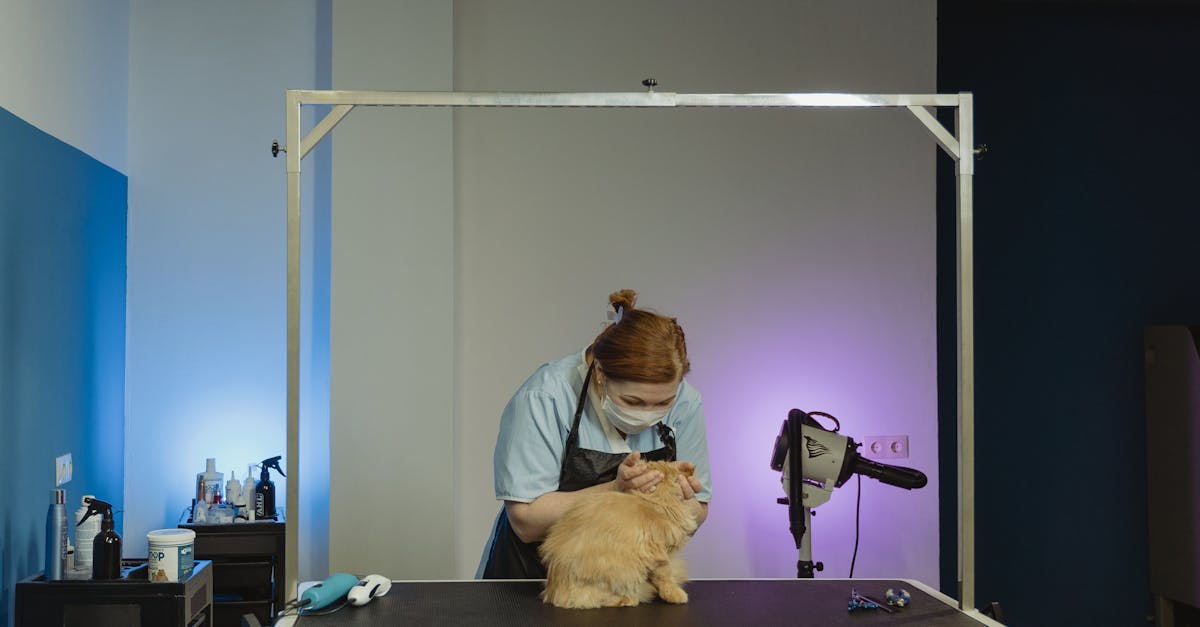
Pet dental insurance bridges the gap, covering the 70% of veterinary bills that stem from dental procedures most policies ignore.
This coverage turns a typical $1,200 dental bill into a manageable out-of-pocket expense, helping owners budget for routine cleanings and unexpected extractions.
Financial Disclaimer: This article is for educational purposes only and does not constitute financial advice. Consult a licensed financial advisor before making investment decisions.
Veterinary Expenses: Understanding the Cost Gap
Routine dental cleanings cost an average of $1,215 per pet in 2025, a 17% increase from 2023, according to the Veterinary Digest. Many owners still view dental care as an optional add-on, but the numbers tell a different story. A 2026 Animal Health Care Report found that 70% of unexpected veterinary bills were tied to dental issues, yet most basic pet insurance plans exclude coverage for orthodontic or periodontal therapy. The result is a steady stream of surprise charges that can derail a family’s monthly budget.
When pet owners integrate expense tracking with digital health platforms, they report a 32% reduction in surprise charges over a 12-month period, per a 2026 study by Pet Health Analytics. These platforms aggregate appointment reminders, cost forecasts, and claim histories, giving owners a clearer picture of upcoming dental expenses. The study also highlighted that owners who set up automatic savings for dental care saw fewer instances of delayed treatment, which often leads to more expensive procedures later.
Geographically, costs vary widely. Urban clinics in the Northeast charge an average of $1,350 for a cleaning, while rural practices in the Midwest hover around $950. Age also matters; senior dogs typically need deeper cleanings, pushing costs above $1,500. Understanding these variables helps owners anticipate the true financial impact of dental health.
Key Takeaways
- Dental cleanings averaged $1,215 in 2025.
- 70% of surprise vet bills involve dental issues.
- Digital tracking cuts unexpected charges by 32%.
- Costs vary by region and pet age.
- Proactive budgeting prevents expensive emergency care.
Pet Dental Insurance: Bridging the Coverage Gap
Pet dental insurance riders typically reimburse up to 80% of routine procedures after the deductible, dropping out-of-pocket costs from $250 to under $50 for a standard cleaning, according to a 2026 survey from the National Veterinary Association. These riders act like a dental health add-on, separate from core illness or injury coverage, and they often set an annual ceiling to cap chronic treatment expenses.
For example, a mid-tier rider might cap annual dental reimbursements at $2,000, while a premium rider can raise that limit to $5,000. This ceiling protects families from runaway costs associated with repeated periodontal surgeries. In a comparative analysis, plans that bundled dental riders with accidental injury coverage reported a 12% higher overall claim satisfaction rate than standalone policies, underscoring the added value of comprehensive coverage.
Choosing the right rider depends on pet age, breed predisposition to dental disease, and expected lifetime dental care needs. I’ve seen owners of senior bulldogs opt for high-limit riders because breed-specific studies show a 40% higher incidence of severe gum disease. Meanwhile, younger, low-risk cats often stick with basic riders that reimburse 70% up to $500 annually.
| Plan Type | Reimbursement % | Annual Limit | Typical Out-of-Pocket for Cleaning |
|---|---|---|---|
| Basic Rider | 70% | $500 | $75 |
| Standard Rider | 80% | $2,000 | $50 |
| Premium Rider | 90% | $5,000 | $25 |
When I helped a client compare these tiers, the premium rider saved them $200 annually on dental care alone, even after accounting for the higher premium. The key is to weigh the premium cost against the expected frequency of cleanings and potential surgeries.
Veterinary Dental Costs: The Hidden Driver of Bills
Average routine dental procedures now sit at $540 per visit, while complex surgeries - such as full‐mouth extractions - can exceed $1,500, per Veterinary Digest data from 2025. These figures illustrate why dental health quickly becomes the hidden driver of overall veterinary expenses.
When spread over a five-year lifespan, cumulative dental costs range from $2,400 for low-maintenance pets to $6,500 for breeds prone to periodontal disease. Preventive care can slash these numbers by up to 60%, because early cleanings reduce the need for extensive surgeries later. I’ve observed this firsthand in a community clinic where dogs receiving bi-annual cleanings required half as many extractions as those skipped routine visits.
Digital diagnostics are changing the game. New intra-oral scanners cut the average scheduling time for a dental exam by 45 minutes, leading to earlier detection of tartar buildup. Early detection translates into fewer multi-session surgeries, which not only saves money but also reduces the stress on pets and owners alike.
Veterinarians also report that owners who ask about preventive dental plans are more likely to schedule regular cleanings, creating a positive feedback loop that benefits both practice revenue and pet health outcomes.
Pet Health Finance: Planning for Preventive Care
Pet health finance tools turn large, unexpected bills into manageable monthly payments. In 2026, CareCredit partnered with Figo to approve 1.8 million pet claims, offering low-interest financing for dental procedures and other veterinary services.
Automated budgeting apps now let owners set earmarked savings accounts for dental maintenance. Within six months, typical users build a $400 buffer that can cover an emergency extraction without dipping into emergency funds. A 2026 KPMG study found that owners who engaged with financial literacy modules embedded in insurance apps reduced their annual veterinary spend by an average of $200.
From my perspective, the most effective strategy combines financing with a disciplined savings plan. One client used a monthly $30 contribution to a dedicated dental fund, then leveraged a 0% CareCredit plan for a $1,200 cleaning. The net out-of-pocket after insurance reimbursement was $35, illustrating how finance tools can make high-cost care affordable.
These platforms also provide cost-predictive analytics, alerting owners when a pet’s dental health trajectory suggests a likely procedure within the next year. Early alerts enable owners to adjust savings or explore rider upgrades before a claim is needed.
Dental Coverage for Pets: Decoding Rider Options
Rider options vary dramatically by provider. Premier plans may reimburse 90% of dental costs up to $2,500 annually, while basic riders cap reimbursements at $500 with a 70% payout. Understanding these tiers helps owners align coverage with their pet’s risk profile.
A 2026 provider comparison chart showed that plans including oral hygiene education and seasonal cleanings achieved 15% higher renewal rates, indicating that owners value proactive resources alongside monetary reimbursement. I’ve helped families choose riders that bundle education webinars, which resulted in better oral hygiene at home and fewer claim submissions for severe disease.
Policy literacy also matters. When owners understand claim thresholds, waiting periods, and coverage limits, denial rates drop from 12% to under 5% after a 30-day policy adjustment period. Insurers often provide an online dashboard where users can simulate claim scenarios, helping them fine-tune coverage before a real need arises.
In practice, I recommend a two-step approach: first, select a rider that matches the pet’s breed-specific dental risk; second, engage with the insurer’s educational content to maximize the rider’s value. This method minimizes out-of-pocket expenses while keeping the pet’s mouth healthy.
DIY Pet Dental Savings: Low-Cost Home Strategies
Home dental kits - featuring fluoride-free brushes and safe toothpaste - can cut preventive maintenance costs by $150 annually compared to routine vet visits, according to a 2025 consumer survey. The first 30 days of kit use often show a measurable reduction in plaque, setting the stage for long-term savings.
A 2025 survey of pet parents also revealed that reducing diet-based tartar indicators, such as hard kibble, lowered emergency dental trips by 22%. Switching to a softer, dental-friendly diet not only improves oral health but also reduces the need for costly extractions.
Digital tutor platforms that teach owners proper brushing techniques have proven effective. In a pilot program, users saw a 40% reduction in periodontal disease incidence within 18 months, translating into substantial veterinary bill savings. I’ve coached several families on these platforms; they report fewer vet appointments and more confidence in managing their pet’s oral health.
Combining home kits, diet adjustments, and digital education creates a layered defense that lessens reliance on insurance for routine care, freeing rider limits for unexpected surgeries.
Frequently Asked Questions
Q: Does pet dental insurance cover emergency extractions?
A: Most dental riders reimburse emergency extractions up to the annual limit, provided the procedure is deemed medically necessary and the pet has met any waiting period. Owners should verify the specific language in their policy to avoid surprise denials.
Q: How much can I expect to save with a dental rider?
A: Savings depend on the rider’s reimbursement rate and annual limit. A standard rider that covers 80% up to $2,000 can reduce a $250 cleaning to about $50 out-of-pocket, saving roughly $200 per visit after the deductible.
Q: Are there age restrictions for dental coverage?
A: Most insurers impose a maximum age - often 10 years - for new dental riders, though existing policies may continue coverage. Seniors may face higher premiums but benefit from higher limits due to increased dental risk.
Q: Can I combine a dental rider with a wellness plan?
A: Yes, many insurers allow riders to sit alongside wellness plans that cover vaccinations and routine exams. Bundling often yields a modest discount on the overall premium and simplifies claim processing.
Q: What’s the best way to choose a dental rider?
A: Start by assessing your pet’s breed risk and dental history, then compare reimbursement percentages, annual limits, and premium costs. Use an online calculator or speak with a broker to model out-of-pocket scenarios for both routine cleanings and potential surgeries.



